China Machinery has obvious advantages in overseas competition. In 2021, its export value will be $160 billion, accounting for 8% of the global market share, ranking first in the world. Machinery is regarded as a fixed asset, and buyers mainly use it for their own use.
The ASEAN and EU markets have high export value and fast growth. In particular, the signing of RCEP has greatly reduced the investment threshold for foreign investment in the manufacturing industry in the region. In the next 10 years, the export volume of to Southeast Asia can maintain an annual growth rate of about 15%.
Cost-effective machinery and local services (sampling, installation, after-sales) are the main concerns of machinery buyers.
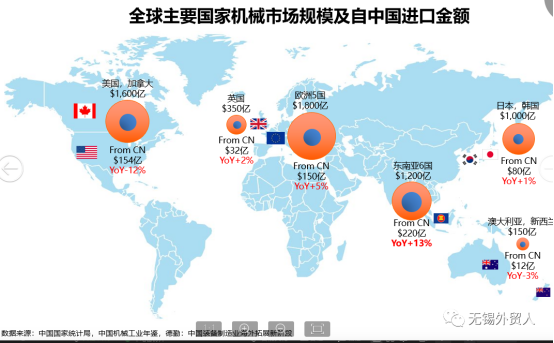
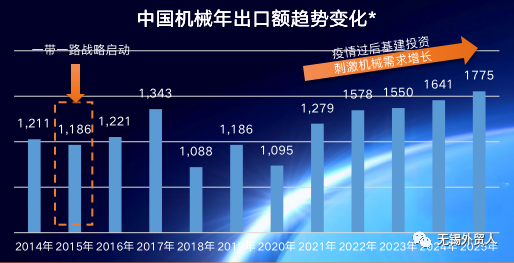
ASEAN countries have weak manufacturing foundations and strong demand for Chinese machinery, making them the largest destination for Chinese machinery exports. Since the launch of the "China-ASEAN Free Trade Area" in 2010, the export tariff of Chinese machinery to ASEAN has been reduced to less than 5%, and the export volume has increased by 320%.
After the signing of RCEP (Regional Comprehensive Economic Partnership Agreement) in 2021, it is expected that in the next 10 years, China's machinery exports to ASEAN will maintain an annual growth rate of about 15%. It is estimated that in the next 10 years, China's machinery exports to ASEAN will maintain an annual growth rate of about 15%.
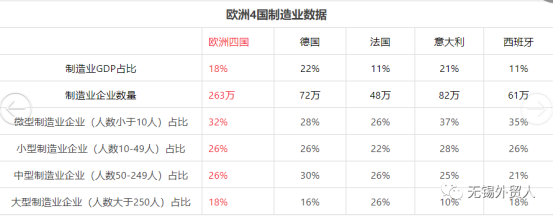
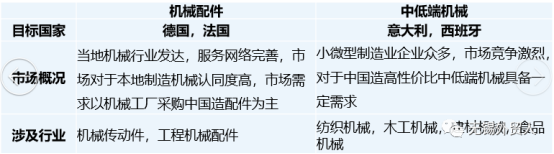
Germany is the leader in the global machinery industry, accounting for 16% of the global machinery market, and 37% of the EU machinery market, both ranking first, especially in machine tools, chemical machinery, plastic machinery, agricultural machinery and food machinery. status. Local factories give priority to German brand machinery when purchasing machinery. In 2019, Germany imported 3.5 billion US dollars of machinery from China, mainly low-end and mid-end machinery parts.
France has a well-developed manufacturing industry, with obvious advantages in pharmaceutical machinery, agricultural processing industry, automobile industry, nuclear industry, aerospace manufacturing and other fields. Machinery and equipment are preferentially purchased from within the EU, mainly from Germany, Switzerland and Italy. In 2019, France purchased from China Imported machinery is 3.3 billion US dollars, making it the fifth largest source of machinery imports
Italy's machinery manufacturing industry is well developed, and its machinery industry ranks fourth in the world and second in Europe, especially machine tools, special automation machinery, and food machinery, which are at the leading level in the world. Compared with Germany and France, Italy has a large number of small family-based handicraft factories (about 530,000), mainly in the textile, clothing, furniture and building materials industries. These enterprises have a certain demand for low-end machinery made in China In 2019, Italy imported 5.8 billion US dollars of machinery from China
Spain is a world leader in the transformation and integration of mechanical equipment manufacturing technology, mainly in the fields of machine tools, packaging machinery and textile machinery. Similar to Italy, there are a large number of small handicraft factories (about 530,000) in Spain. There is a certain demand for low-end machinery. In 2019, Spain imported 1.7 billion US dollars of machinery from China.
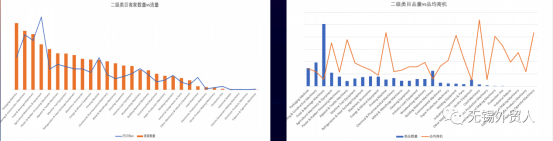
The top categories supplied by merchants are: packaging machinery, construction machinery, food and beverage machinery, agricultural machinery, rubber and plastic machinery
The top categories of supply on the commodity side are: food and beverage machinery, construction machinery, packaging machinery, building materials machinery, agricultural machinery
The top categories of flow side supply are: agricultural machinery, construction machinery, food and beverage machinery, packaging machinery, printing equipment
The top categories of supply on the business opportunity side are: agricultural machinery, food and beverage machinery, printing equipment, construction machinery, packaging machinery
The TOP countries of active buyers are the United States, India, Pakistan, the Philippines, and Russia
The conversion rate of active buyers The TOP countries are Nigeria, the United States, India, Saudi Arabia, Peru, Canada
The TOP countries for the cumulative number of orders are the United States, the Philippines, Canada, Mexico, and India
The TOP countries with cumulative online transaction volume are the United States, Indonesia, India, Russia, and Canada
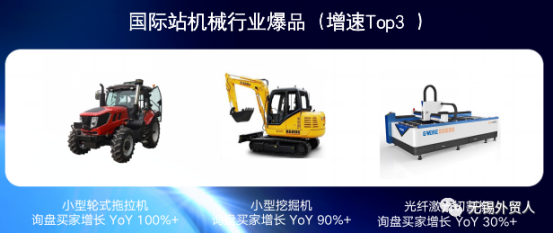
Bulk market boom Agricultural machinery, petroleum machinery, mining machinery
Increased investment in infrastructure Construction machinery, building materials machinery
Factory automation upgrade Machine tools, laser processing machinery, woodworking machinery
Opportunity Strategy of International Station Machinery Industry:
Serving manufacturers and buyers along the Belt and Road
Small and medium-sized, automated, multi-functional, intelligent machinery
Digitization of after-sales service
Merchants can choose to open only one or more of remote quality assurance services or local after-sales services based on the strength of the enterprise (need to operate on the PC side)
List of popular mechanical products:
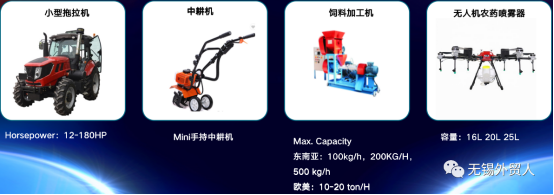
Agricultural machinery:
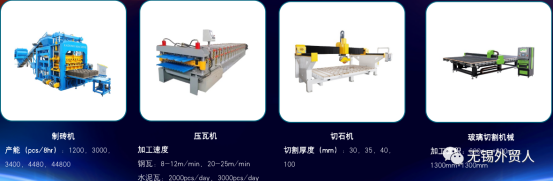
Building materials machinery: