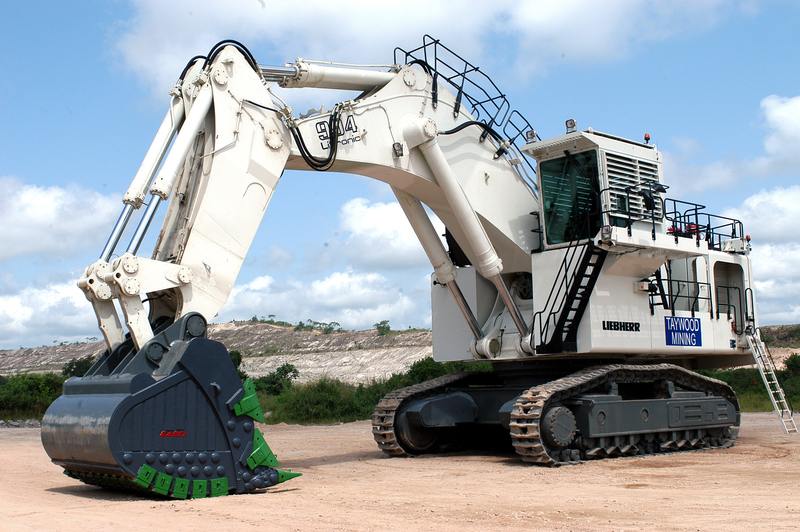
The article explores the dynamic evolution of the Machinery agent in China, highlighting their shift from transactional brokers to strategic partners within the global foreign trade machinery sector. It focuses on key industry hot topics: stringent green compliance regulations, the integration of Industry 4.0 smart technologies, and navigating complex geopolitical supply chains. The analysis emphasizes the agent’s critical role in ensuring regulatory adherence, facilitating technical integration, and mitigating trade risks, underscoring their new importance as vital architects of resilient and efficient global procurement strategies.
The global machinery trade is undergoing a seismic shift, driven by digitalization, sustainability mandates, and shifting supply chain paradigms. At the heart of this transformation lies China, the world’s manufacturing powerhouse, and the indispensable intermediary known as a . No longer merely a transactional middleman, the modern agent has evolved into a strategic partner, bridging complex cultural, regulatory, and technical gaps. For international buyers, understanding this evolution is no longer a luxury but a necessity for securing competitive advantage and mitigating risk in an increasingly volatile market.One of the most significant currents reshaping the role of a Machinery agent in China is the country’s aggressive push toward green and intelligent manufacturing. The Chinese government’s 'dual carbon' goals, aiming to peak carbon emissions by 2030 and achieve carbon neutrality by 2060, have triggered a sweeping overhaul of industrial standards. In 2025, new energy efficiency regulations are being enforced more stringently across a broader range of equipment, from industrial boilers to precision CNC lathes. Consequently, a competent agent must now serve as a compliance sentinel. This involves more than confirming that a factory holds an ISO certificate; it requires deep due diligence on the specific energy consumption data, available software for energy management, and adherence to the latest, often provincial-level, emissions standards. A machinery agent in China who fails to grasp these nuances could unknowingly facilitate the export of machinery that is non-compliant with the buyer’s home regulations or, conversely, face sudden production halts in China. Reliability is no longer solely about build quality; it is equally about the machinery’s future-proofed environmental footprint.Coupled with this environmental focus is the technological leap into Industry 4.0 standards. is now characterized by IoT connectivity, predictive maintenance algorithms, and digital twin capabilities. Chinese manufacturers are no longer churning out cost-unconscious basic units. Increasingly, they are integrating foreign-designed components or adapting their equipment to operate within complex, automated production lines sourced from Germany, Japan, or the United States. Here, the machinery agent’s technical acumen is put to the ultimate test. The agent must navigate the delicate terrain of component compatibility, cybersecurity protocols, and data sharing architectures. The contemporary agent acts as a technical translator, explaining how a Chinese-built packing machine can seamlessly integrate with a Western logistics management system. They are the ones validating that the claimed 'smart features' are operational, not merely theoretical, often with hands-on testing at the factory before shipment. In this context, the term 'agent' understates their true function as a project coordinator and technical validator within the broader sphere of foreign trade machinery.Beyond sustainability and technology, the most pressing hot topic is the geopolitical realignment of global trade and the consequent demand for supply chain resilience. Tariff wars, sanctions, and the 'China Plus One' strategy have created a paradoxical situation. While some assembly is shifting to Vietnam or Mexico, the demand for high-quality, heavy, and specialized machinery made in China remains robust due to its unmatched ecosystem and scale. However, the journey from Chinese factory to overseas site is under intense scrutiny. This has thrust trade compliance concerns to the top of the agenda. A professional machinery agent in China is now an expert in export controls, tariff classification (HS codes), and the intricate rules of origin. They are instrumental in navigating the unique challenges of shipping massive machinery—such as container size optimization or the management of multi-modal transport amid Red Sea disruptions. The agent’s value proposition lies in their ability to offer alternative logistics routes, suggest buffer inventory strategies within free trade zones, and meticulously manage documentation to ensure smooth customs clearance.The financial volatility and exchange rate risks also place a premium on the machinery agent’s strategic counsel. Transactions are no longer simple telegraphic transfers. Agents involved in foreign trade machinery are utilizing hedging instruments and negotiating payment terms that protect both buyer and seller against sudden fluctuations. They are also increasingly involved in overseeing the financial health of suppliers, ensuring sub-tier suppliers are paid to prevent intellectual property theft or quality shortcuts that could jeopardize their principal’s brand reputation. This deep financial scrutiny is a far cry from the old days of simply receiving a commission.Looking forward, the most successful partnerships will be those where the machinery agent is integrated into the buyer’s product development cycle. Instead of issuing purchase orders, the buyer collaborates with the agent to source rare materials, co-develop prototypes, and conduct compliance pre-checks even before the final design is frozen. This early engagement leverages the agent’s on-the-ground knowledge about source metal prices, labor costs in specific industrial clusters, and shifts in local government subsidies for advanced manufacturing.In conclusion, the role of a Machinery agent in China has never been more strategic or demanding. They are now the guardians of compliance, the navigators of geopolitical headwinds, and the translators of technological complexity. While the path forward is fraught with regulatory pitfalls and market turbulence, it is precisely this environment that allows a knowledgeable and ethical agent to generate immense value. Such a partner does not merely sell a piece of machinery; they orchestrate a lower-risk, higher-efficiency entry into the evolving world of foreign trade machinery. For any enterprise looking to thrive, not just survive, in this new era of global manufacturing, investing time in selecting a truly forward-thinking agent is the single most critical purchasing decision they will make.