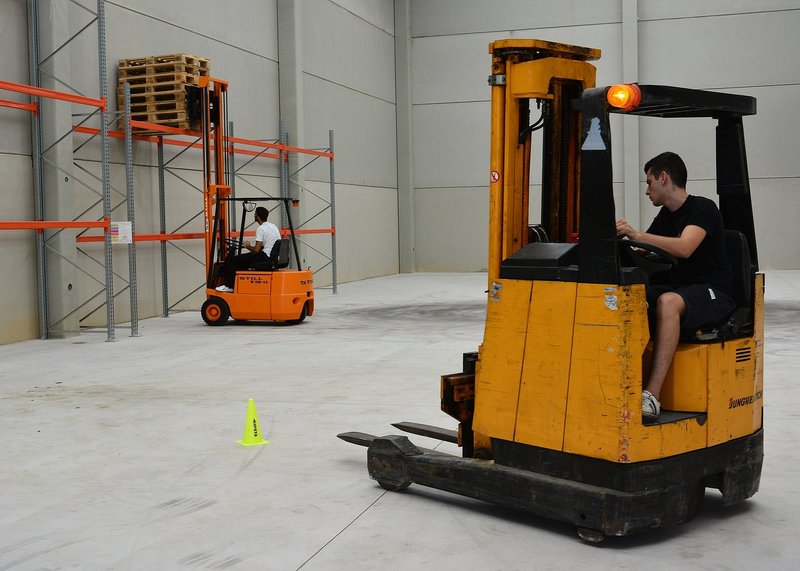
This article explores the dynamic transformation of the \'Other industry\' through the lens of intelligent lifting solutions. It examines how policy mandates for sustainability and advancements in digital control are reshaping material handling. By analyzing the role of modular designs and telematics, it highlights how Chinese lifting machinery is evolving to meet niche demands. The piece emphasizes the integration of advanced sensing technology to enhance safety and efficiency, marking a shift from mechanical strength to data-driven precision, thereby defining the modern global industrial standard.
The global industrial landscape is undergoing a seismic shift, driven by the relentless march of automation, data integration, and sustainable practices. Within this transformation, the often-overlooked 'Other industry'—a catch-all category encompassing specialized material handling, niche logistics, and bespoke construction support—is emerging as a critical testing ground for innovation. At the heart of this evolution lies the rapid advancement of , which has transitioned from a producer of heavy-duty staples to a vanguard of intelligent, agile, and tailored solutions. This pivot is not merely about moving heavier loads; it is about redefining how vertical and horizontal transport integrates with smart factories, renewable energy projects, and intricate urban infrastructure, thereby setting new benchmarks for efficiency and safety on a global stage.One of the most significant drivers reshaping this sector is the confluence of policy directives aimed at industrial modernization and the pressing need for carbon neutrality. Recent regulatory frameworks in major economies have begun to mandate stricter emission standards for diesel-powered equipment, while simultaneously offering incentives for electric and hybrid models. This policy push has forced manufacturers to accelerate their research and development cycles. In the context of the 'Other industry', which includes applications like wind turbine installation, shipyard maintenance, and large-scale warehouse automation, the demand for precise, low-emission, and intelligent lifting solutions has skyrocketed. The modern machinery emerging from leading Chinese factories is no longer a simple steel structure; it is a complex mechatronic system equipped with telematics, remote diagnostics, and semi-autonomous control features. Features that once were considered premium add-ons, such as load moment indicators and anti-collision systems, are now becoming standardized, driven by a dual mandate to protect human workers and maximize operational uptime. This alignment with global green policies is not just a compliance measure; it is a strategic move that positions these machines as future-proof investments for companies looking to modernize their fleets.A second pivotal theme is the shift toward modular and application-specific engineering. Unlike the standardized production of the past, the current era demands hyper-customization to cater to the fragmented needs of the 'Other industry'. Whether it is a truck-mounted crane designed for the tight confines of urban utility work or an overhead gantry system for a specialized battery recycling line, flexibility is paramount. The rise of in this narrative illustrates the direction of the entire sector. By embedding advanced sensing technology and proprietary control algorithms into their equipment, manufacturers are enabling a level of precision that drastically reduces sway and increases placement accuracy, which is crucial for handling fragile or high-value materials. Furthermore, the integration of digital twins allows operators to simulate complex lifts before a single physical movement occurs, mitigating risk and reducing costly errors. This focus on intelligent adaptability ensures that Chinese lifting machinery is not only compliant with rigorous international safety standards but also capable of delivering performance metrics that were previously unattainable, thereby solving the unique logistical puzzles presented by the rapidly changing 'Other industry'.However, the path forward is not without its challenges. The global supply chain remains fragile, and the high cost of advanced battery technologies and semiconductor chips poses a significant hurdle to widespread adoption. Moreover, the skills gap in the workforce—operators trained to handle traditional mechanical levers are now required to interact with complex touchscreen interfaces and data dashboards—presents a bottleneck. To overcome these obstacles, the industry is witnessing a push toward user-centric design. Leading Chinese lifting machinery manufacturers are investing heavily in operator training simulators and augmented reality (AR) support systems to flatten the learning curve. Concurrently, the development of swappable battery systems and hydrogen fuel cell options are being explored to alleviate the anxiety related to charging times and range, particularly for heavy-duty applications. As these technologies mature, the role of a lifting machine evolves from a simple tool to a data node within a larger operational ecosystem, offering unprecedented levels of control and strategic analysis. This holistic approach, which combines hardware durability with software intelligence, is the true strength of the ongoing revolution, ensuring that the 'Other industry' is equipped to handle the dynamic demands of a borderless digital economy.Looking ahead, the trajectory of this market appears robust, with projections indicating sustained double-digit growth over the next decade. The key to maintaining momentum lies in fostering international partnerships and standardizing communication protocols across different types of machinery. We are moving towards a future where a fleet of cranes and hoists can seamlessly communicate with each other and with warehouse management systems, creating an autonomous and self-optimizing material flow. While the full realization of this vision may take several more iterations, the progress already made is substantial. The combination of robust engineering, governmental policy support, and a bold leap into digitalization has positioned the sector for global leadership. For stakeholders and operators alike, the message is clear: the 'Other industry' is no longer its own isolated niche; it is a vibrant, dynamic core of the new industrial revolution, and its trajectory relies heavily on the intelligence and adaptability demonstrated by its machinery—a bar that Chinese innovation continues to raise.In conclusion, the transformation of Chinese lifting machinery represents a microcosm of broader industrial evolution. It reflects a movement from brute force to brute intelligence, from isolated equipment to interconnected systems. As the decade progresses, the focus on modularity, electrification, and digital integration will only intensify. Despite facing economic headwinds and technological hurdles, the industry remains resilient, driven by the undeniable efficiency gains and safety benefits that these smart machines provide. This is not merely a competitive advantage; it is a necessity for any enterprise to thrive in the complex, fast-paced, and highly regulated environment of the future. The machines of tomorrow are being built today, and they are engineered to lift not just weight, but the entire operational capability of the industries they serve.