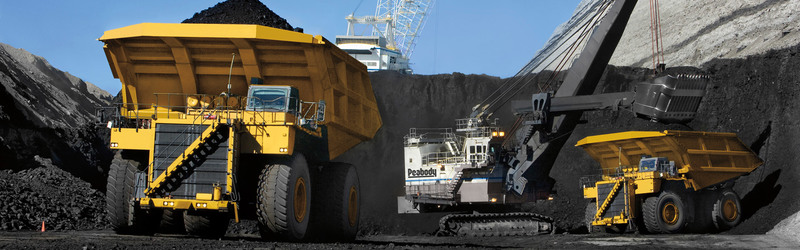
The evolution of Chinese lifting machinery is redefining the \'Other industry\' through the adoption of intelligent technologies, including IoT-enabled telematics, autonomous controls, and service-based business models. This transformation is enhancing safety, operational efficiency, and sustainability. Highlighting the role of forward-thinking enterprises like Jingangshu Intelligent Technology, the article explores the latest technological advancements, market trends, and service innovations. It underscores a pivotal shift from manual-heavy labor to data-driven precision lifting, setting a new global standard. For professionals in the sector, understanding these dynamics is crucial for staying competitive in a rapidly digitizing industrial environment.
The global industrial landscape is undergoing a profound transformation, and nowhere is this more evident than in the evolution of . Traditionally viewed as a sector focused on raw power and heavy loads, the industry is now pivoting toward intelligence, precision, and connectivity. This shift is not merely a technological upgrade; it represents a fundamental rethinking of how lifting equipment integrates into broader industrial ecosystems. The rise of intelligent technology, particularly through entities like , is signaling a new era where machines not only lift but also think, sense, and communicate, thereby reshaping the entire value chain of the 'Other industry'—a term that often encompasses specialized machinery and equipment beyond the mainstream categories.One of the most significant developments in this transformation is the integration of the Internet of Things (IoT) and telematics into lifting machinery. Modern cranes and hoists are no longer isolated pieces of iron; they are equipped with sensors that monitor load weights, structural stress, wind speed, and operational temperatures in real-time. This data is transmitted to centralized cloud platforms, allowing fleet managers to oversee operations from a single dashboard. For instance, predictive maintenance algorithms analyze patterns to forecast potential component failures before they occur, drastically reducing unplanned downtime. This technological advancement is particularly critical in the 'Other industry,' where equipment often operates in harsh environments such as mining, port logistics, and large-scale infrastructure projects. The ability to anticipate maintenance needs not only saves costs but also enhances workplace safety, a growing regulatory focus across global markets.Another cornerstone of this evolution is the adoption of automation and remote-control systems. The days of an operator sitting in a cab for hours, manually maneuvering levers, are fading. Today, we see the emergence of semi-autonomous cranes that can execute pre-programmed lift sequences with millimeter-level accuracy. Remote operation stations, often located miles away from the actual machine, provide operators with a high-definition, 360-degree view of the worksite via camera arrays and 5G connectivity. This is not just a convenience; it is a necessity in hazardous environments where human presence is dangerous. For instance, in steel mills or nuclear decommissioning sites, remote-controlled lifting is no longer a novelty but a standard requirement. The synergy between artificial intelligence and human oversight is driving a new wave of productivity gains, and companies like Jingangshu Intelligent Technology are at the forefront of embedding these advanced control systems into their product lines. Their work exemplifies how Chinese lifting machinery is not just following but often leading the global curve in smart lifting solutions.Beyond hardware, the 'Other industry' is also witnessing a paradigm shift in service models, moving from transactional sales to outcome-based service contracts. Equipment manufacturers are now offering 'lifting as a service,' where clients pay for uptime and performance rather than the machine itself. This model relies heavily on the continuous data streams generated by intelligent machinery. By analyzing operational data, service providers can optimize lift sequences, energy consumption, and even operator training. For example, a cement factory using a fleet of intelligent hoists can receive monthly reports on energy efficiency per ton of material moved, allowing them to adjust processes for sustainability. This is a significant departure from the traditional warranty-and-spare-parts approach. Moreover, the integration of digital twins—virtual replicas of physical machinery—allows for simulation and testing of new operational protocols without halting production. This digital-first approach is rapidly becoming a standard care standard in the industry, ensuring that every lifting operation is not only safe but also highly efficient.The market trend is equally compelling. A report by the China Construction Machinery Association highlights that intelligent lifting products accounted for over 30% of new sales in 2023, a figure projected to reach 50% by 2025. This growth is fueled by government policies promoting 'Made in China 2025' and the broader push for industrial digitization. However, the path is not without challenges. The integration of complex software with physical hardware requires a new skill set in the workforce, and the cybersecurity of connected machinery is a paramount concern. Yet, the opportunities far outweigh the obstacles. The 'Other industry' segment, which includes specialized lifting for wind energy installation, high-speed railway maintenance, and automated warehouses, is particularly ripe for innovation. The push for green energy is driving the demand for cranes that can handle massive wind turbine components, often in remote offshore locations. Here, intelligent load monitoring and stability control are non-negotiable. The development of ultra-high-strength steel and carbon-fiber composites is also enabling lighter yet stronger machine structures, allowing for greater lifting capacities without sacrificing mobility.In conclusion, Chinese lifting machinery is no longer a follower in the global market; it is a dynamic innovator, propelled by the integration of intelligent technologies like those pioneered by forward-thinking organizations such as Jingangshu Intelligent Technology. The fusion of IoT, AI, and advanced materials is not just an incremental improvement but a complete overhaul of operational paradigms. As the 'Other industry' continues to evolve, the focus will shift from merely moving loads to doing so with unprecedented efficiency, safety, and sustainability. For industry stakeholders, the message is clear: adaptation is not optional. The future belongs to those who embrace the intelligence embedded in their lifting systems, turning every lift into a data point and every operation into an opportunity for optimization. The next frontier is not about lifting heavier; it is about lifting smarter, and this trajectory will define the competitive landscape for years to come.