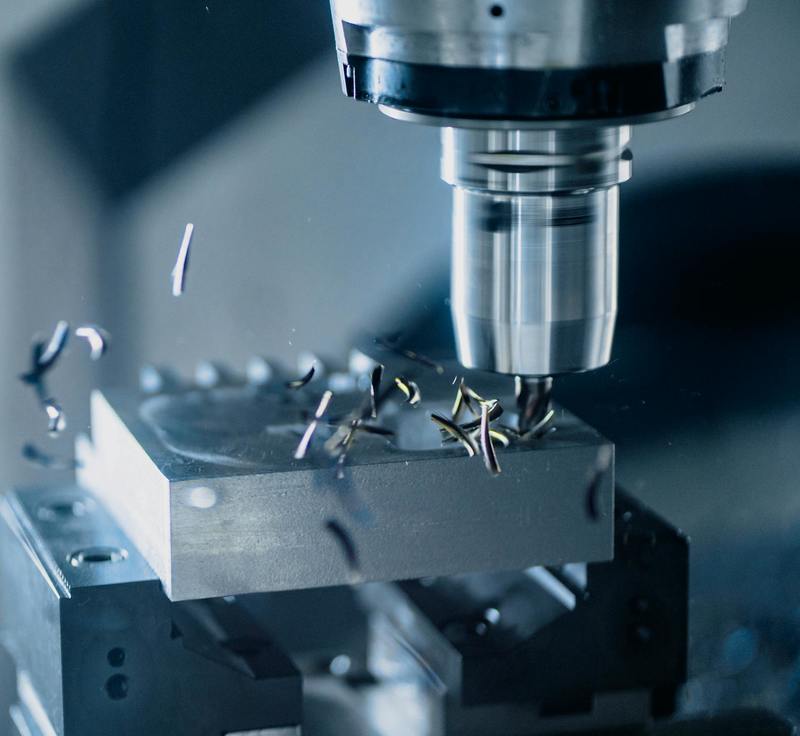
This article explores the impact of smart technology on the Chinese machinery industry, highlighting the trends such as AI and IoT adoption, customized production, and challenges like cybersecurity and skill gaps. It also discusses future potential with advanced technologies like robotics, autonomous vehicles, and new business models. The integration of smart technology has transformed the industry but requires constant adaptation from companies to stay competitive.
The industry has been a driving force behind the country's economic growth, with a focus on innovation and technological advancements. The integration of smart technology has revolutionized the industry, offering new opportunities for growth and efficiency while presenting new challenges for companies to adapt and stay competitive. This article delves into the current trends, the impact of smart technology on the industry, and the potential for future developments.
One of the key trends in the Chinese machinery industry is the increasing adoption of artificial intelligence (AI) and Internet of Things (IoT) technologies. These advancements have enabled machines to operate more efficiently, reducing downtime and increasing productivity. Additionally, AI-driven predictive maintenance systems have improved fault detection and resolution, minimizing unexpected breaks and ensuring a smoother workflow. This integration of smart technology has also led to the development of smart factories, where machines are connected, and data is collected and analyzed in real-time to optimize production processes.
Another significant impact of smart technology on the Chinese machinery industry is the shift towards customized production. With the help of advanced analytics and machine learning algorithms, companies can now produce products tailored to specific customer needs. This not only enhances customer satisfaction but also opens up new markets for manufacturers. Moreover, it allows for a more agile supply chain management, with real-time tracking and adjustment of inventory levels based on demand forecasts.
However, the integration of smart technology also presents challenges for the Chinese machinery industry. One of the primary concerns is cybersecurity, as connected machines can be vulnerable to cyber-attacks. The protection of sensitive data and the prevention of unauthorized access are crucial for companies to maintain their reputation and stay compliant with regulations. Additionally, the initial investment required for smart technology infrastructure can be significant, which may deter smaller companies from adopting these advancements.
Furthermore, the changing market landscape due to the integration of smart technology requires companies to constantly update their skills and knowledge. The shift towards more advanced technologies such as 5G, augmented reality (AR), and virtual reality (VR) will demand a different set of skills from the workforce. Companies need to invest in training programs to upskill their employees or hire new talent with these skills to stay competitive.
Looking towards the future, there is a strong potential for further integration of smart technology in the Chinese machinery industry. The use of robotics, autonomous vehicles, and advanced materials will continue to drive innovation and efficiency. Companies are also exploring new business models such as on-demand manufacturing and shared manufacturing facilities to adapt to changing market demands. As China continues to invest in research and development (R&D), we can expect more breakthroughs in smart technology that will reshape the industry even further.
In conclusion, the integration of smart technology in the Chinese machinery industry has brought about significant changes in terms of efficiency, productivity, and customization. However, it has also presented challenges such as cybersecurity, investment costs, and skill gaps. As companies navigate these opportunities and challenges, they will need to adapt their strategies, invest in training, and stay abreast of technological advancements to remain competitive in this rapidly evolving landscape.